Ways to Reduce Your Environmental Impact
Posted on 02/11/2025
Ways to Reduce Your Environmental Impact
Reducing your environmental impact is not only beneficial for the planet but also for future generations. By adopting sustainable practices, you can contribute to a healthier environment. Here are several ways to reduce your environmental footprint.
1. Reduce, Reuse, Recycle
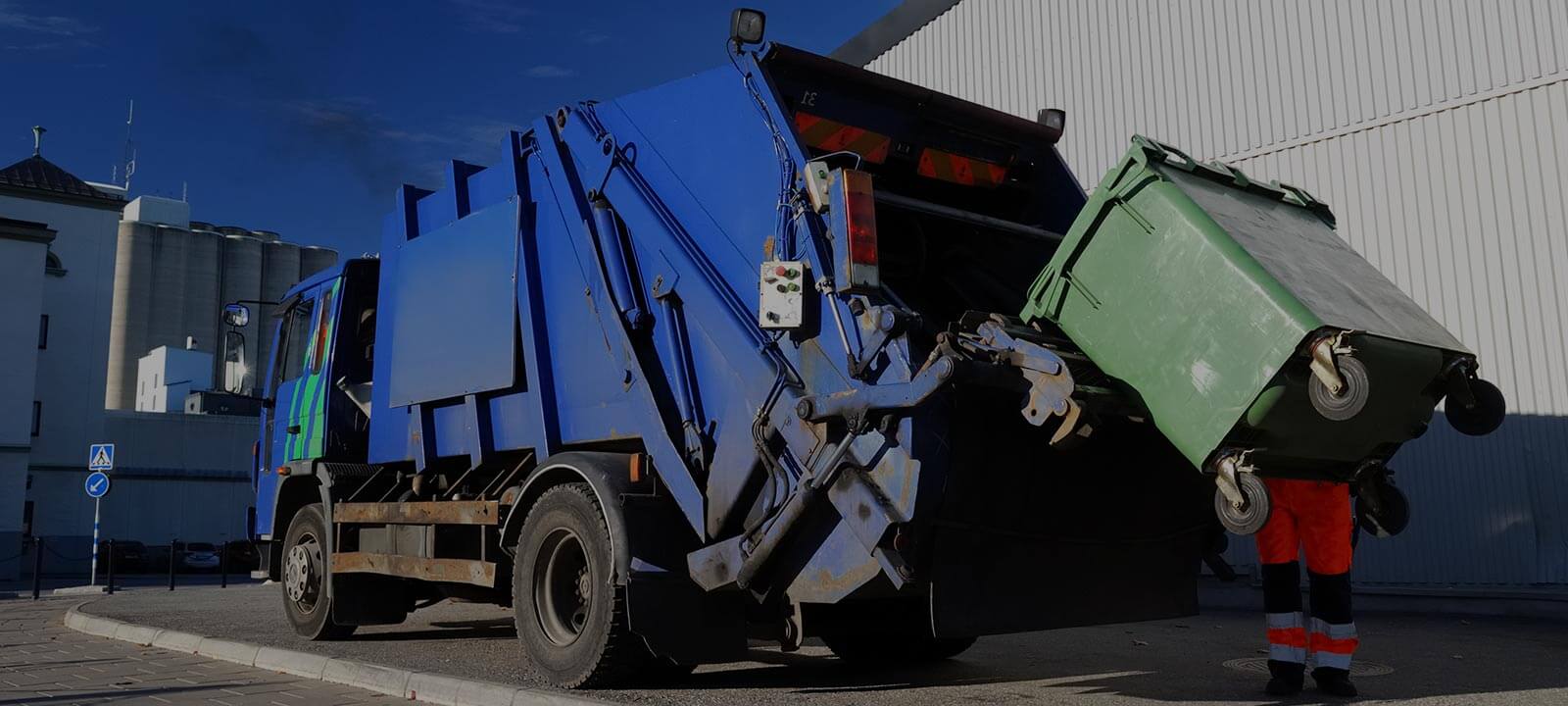
The three Rs form the cornerstone of sustainable living. Start by reducing the amount of waste you generate. Reuse items whenever possible or find new purposes for old materials. Lastly, recycle items that are no longer usable to keep them out of landfills.

2. Conserve Water
Water conservation is crucial for protecting one of our most precious resources. Fix leaky faucets, use water-efficient appliances, and consider installing a rainwater harvesting system to reduce water usage.
3. Use Renewable Energy Sources
Switching to renewable energy sources like solar, wind, or geothermal can dramatically cut down your carbon footprint. If installing renewable energy systems isn't feasible, opt for green energy plans that many utilities offer.
4. Opt for Sustainable Transportation
Transportation is a major contributor to greenhouse gases. Consider walking, biking, carpooling, or using public transportation to reduce your environmental impact. Electric and hybrid vehicles are also more eco-friendly alternatives.
5. Reduce Meat Consumption
The meat industry is a significant contributor to greenhouse gas emissions. Reducing meat consumption by incorporating more plant-based meals can lower your carbon footprint considerably.
6. Buy Local and Organic
Buying locally-produced and organic food minimizes transportation emissions and reduces the use of harmful pesticides. Support your local farmers' markets and choose organic options whenever possible.
7. Minimize Energy Use
Conserving energy in your home can significantly reduce your environmental impact. Turn off lights when not in use, invest in energy-efficient appliances, and consider smart home systems to monitor and manage energy consumption.

8. Avoid Single-Use Plastics
Single-use plastics are a significant environmental challenge. Use reusable shopping bags, containers, and utensils to cut down on plastic waste.
9. Plant Trees
Trees absorb carbon dioxide and produce oxygen, making them essential for combating climate change. Planting trees in your local community or supporting reforestation projects can make a significant difference.
10. Educate Yourself and Others
Knowledge is power. Educate yourself about environmental issues and share your knowledge with others. Collective efforts can lead to substantial changes and a more sustainable future.
Pros and Cons
Pros:
- Improved air and water quality
- Conservation of natural resources
- Enhanced quality of life
- Climate change mitigation
Cons:
- Initial cost of sustainable products and technologies
- Potential lifestyle adjustments
- Limited availability in certain areas
Tips
- Start small and gradually adopt more sustainable practices.
- Track your progress and make adjustments as needed.
- Get involved with local environmental groups and initiatives.
- Encourage friends and family to join you in your efforts.

Takeaways
Reducing your environmental impact requires a conscious effort and commitment. Small, consistent changes can lead to significant improvements over time. Remember, every action counts.
Conclusion
Taking steps to reduce your environmental impact is not just beneficial for the planet but also for your community and future generations. By adopting sustainable practices, you contribute to a healthier, more sustainable world. Start today, and remember that every effort, no matter how small, makes a difference.
Latest Posts
How to Separate Trash Efficiently
Ways to Reduce Your Environmental Impact